
Farmland, orchards and ranches
Farm and Ranch Real Estate Around Shafter
Sell or purchase agricultural ground knowing what the water supply, wells and zoning really allow, so the price matches what the land can produce.
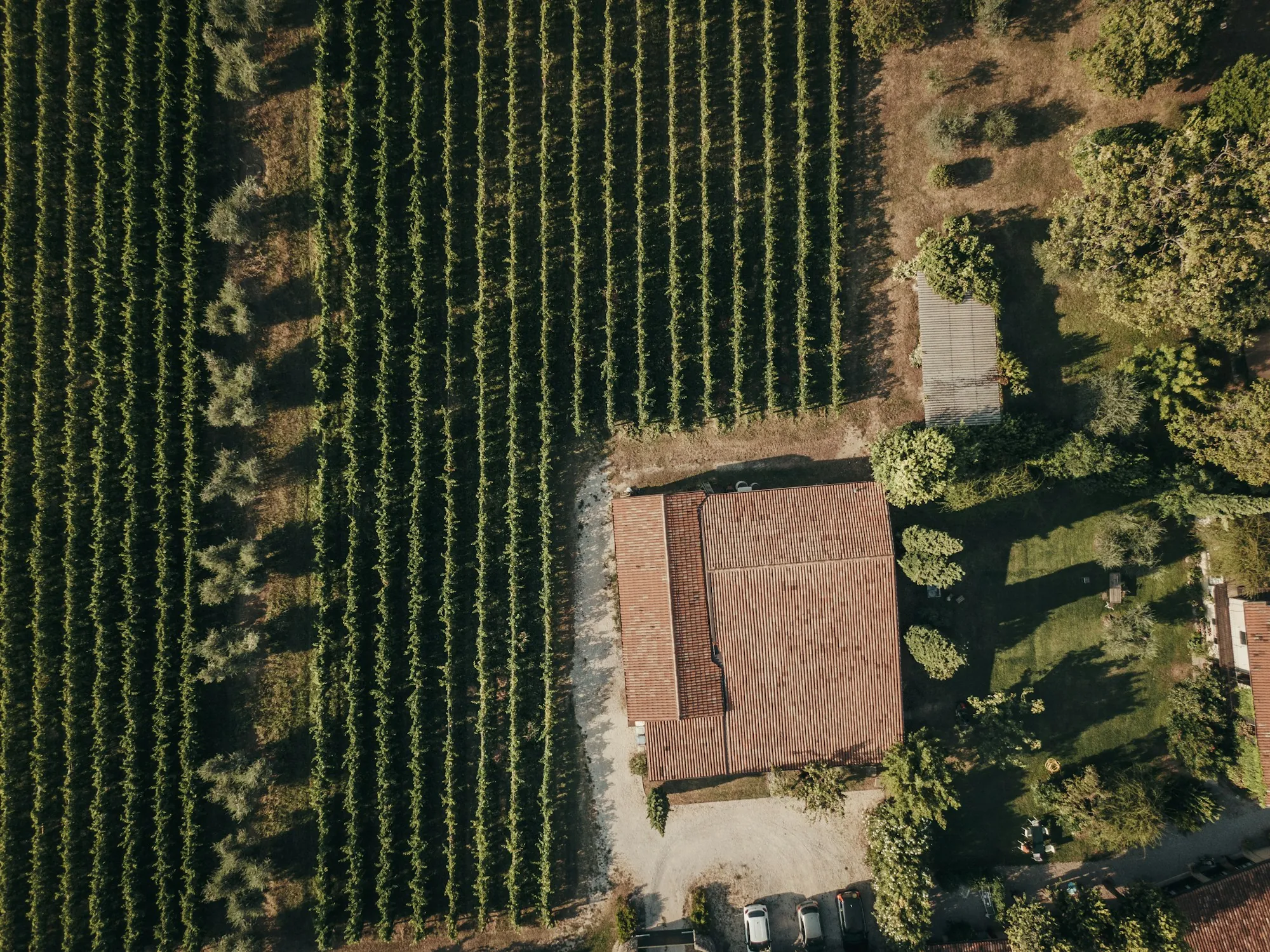
On Farmland, Water Sets the Price
A house is valued on its rooms. Farm ground is valued on what it can grow, and in this part of the valley that comes down to water. Where does it come from, is it dependable, what are the wells pumping and what might groundwater rules allow in the years ahead? Add the age and condition of the trees or vines, the irrigation system, access roads and zoning, and you have a property whose price can swing widely depending on details a casual listing never mentions. Shafter Real Estate Agent helps buyers and sellers of orchards, row-crop land, ranches and rural acreage across the farm country around Shafter, from almond and pistachio blocks to open ground and homesites on acreage. Sellers get help assembling the records that support their price: water history, well reports, crop information and any contracts that run with the land. Buyers get a due diligence plan that answers the hard questions before the contingency period ends. Then we negotiate with those facts in hand, because on agricultural property the side with better information usually keeps more of the money.
What Farm and Ranch Work Includes
The details we look at on nearly every agricultural sale or purchase.
Water source review
District service, well water or both, and what the records show about supply over time.
Well and pump details
Well depth, pump condition and production information gathered or tested during due diligence.
Zoning and use
Agricultural zoning, homesite rules and any land conservation contract that limits use or affects taxes.
Crop and planting history
Variety, age and condition of orchards or vines, and recent production where records exist.
Irrigation systems
Drip, micro-sprinkler or flood setups noted, since their condition affects what a buyer must spend.
Access and easements
Road access, utility easements and boundary questions checked through title and survey.
Ground-to-ground comparisons
Nearby farmland sales adjusted for water, crop and improvements to back the price.
Negotiated terms
Price, crop timing, equipment and possession date negotiated with the facts from due diligence.
How an Agricultural Sale Works
Gather the land's story
We collect water records, well information, crop history and any contracts tied to the parcel, and talk through your plans for the ground.
Price it on what it produces
Comparable land sales are adjusted for water reliability, planting age and improvements. Buyers write offers with due diligence periods long enough to verify those factors.
Verify, negotiate, close
Findings on wells, zoning and title feed straight into negotiation. Once terms are settled, we keep escrow on schedule through closing and possession.
What Landowners Gain by Calling Us
Water questions come early
We raise them at the start, when they still affect price, rather than after you are committed.
Records support the number
Sellers present facts instead of hopes, which holds up better with serious buyers.
Homes and acreage alike
A ranch with a house on it gets both the farm analysis and the residential one.
- Water reviewed first
- Wells documented
- Zoning confirmed
- Land comps adjusted
Thinking About Buying or Selling Farm Ground?
Describe the acres, the water source and your plans for the ground. We will go over pricing factors and due diligence on the call.